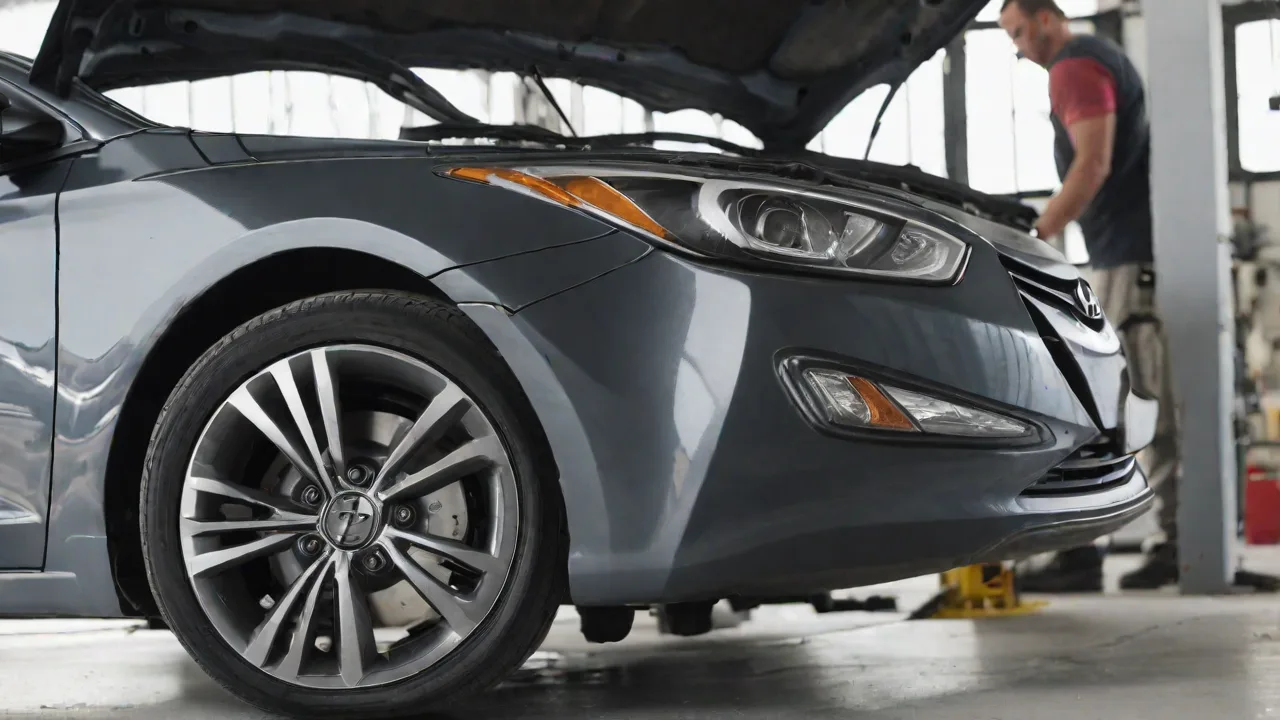
How to Perform a Basic Brake Inspection on Your Hyundai Elantra at Home
Performing a basic brake inspection on your Hyundai Elantra is a vital part of regular vehicle maintenance that directly impacts your safety and driving experience. The braking system is one of the most critical safety components of your car, and being proactive about its condition can help you avoid costly repairs and dangerous situations on the road. Fortunately, a simple brake inspection can be done at home with just a few tools and some basic knowledge, even if you don’t have prior mechanical experience. This comprehensive guide will walk you through the entire process, from the tools you’ll need to detailed inspection tips and what to do if you find problems.
Why Regular Brake Inspections Are Important
Your Hyundai Elantra’s brakes endure a lot of stress every time you drive—stopping the vehicle safely and reliably requires all parts of the brake system to function correctly. Over time, brake pads wear down, rotors can become uneven or damaged, brake fluid may leak, and other components may deteriorate. Regular inspections help you:
- Identify worn or damaged brake pads before they cause rotor damage
- Detect rotor wear such as grooves or cracks that can impact braking efficiency
- Spot brake fluid leaks that may lead to brake failure
- Ensure brake lines and calipers are in good condition and free of corrosion
- Maintain optimal stopping power and prevent accidents
Hyundai generally recommends checking your brakes every 10,000 to 15,000 miles, but if you frequently drive in stop-and-go traffic or mountainous areas, you might want to inspect them more often.
Tools and Materials You’ll Need
Before you start your brake inspection, gather the following tools and safety equipment to ensure a smooth and safe process:
- Car jack and jack stands: To safely lift and support your Hyundai Elantra while the wheel is off.
- Lug wrench or tire iron: To remove and reinstall the wheel lug nuts.
- Flashlight or work light: To illuminate the brake components for a clear view.
- Protective gloves: To keep your hands clean and protected from sharp edges and brake dust.
- Brake cleaner (optional): To clean off dirt and brake dust for a better inspection.
- Torque wrench: To properly tighten lug nuts when reinstalling the wheel.
Preparing to Inspect Your Brakes
To perform a thorough brake inspection, start by finding a flat, stable surface to park your Hyundai Elantra. Engage the parking brake and place wheel chocks behind the wheels that will remain on the ground for added safety. It’s best to inspect one wheel at a time, so you can compare the condition of the brakes on each side.
Wear your protective gloves and have your flashlight ready. If the brakes are very dirty or dusty, you might want to spray some brake cleaner on the rotor and caliper area to remove grime and facilitate the inspection.
Step-by-Step Brake Inspection Guide
1. Lift the Vehicle and Remove the Wheel
Locate the recommended lifting points under your Hyundai Elantra’s frame as described in the owner’s manual. Position the jack securely under the lifting point and raise the vehicle high enough to remove the wheel. Once lifted, place jack stands beneath the frame to support the car safely. Never rely solely on the jack when working under or around your vehicle.
Use the lug wrench to loosen and remove the lug nuts, then carefully take off the wheel to expose the brake assembly.
2. Inspect the Brake Pads
Look through the openings in the brake caliper to view the brake pads on either side of the rotor. The brake pad material should be at least ¼ inch (6.35 mm) thick. If the pads have worn down to less than this thickness, it’s time to replace them. Excessively thin pads can compromise braking performance and damage the rotors.
Additionally, check for even pad wear on both sides. Uneven wear can indicate problems such as a sticking caliper or misaligned brake components.
3. Examine the Brake Rotors
The brake rotor is the large, circular metal disc that the brake pads clamp onto to stop your vehicle. Inspect the rotor surface carefully for the following signs:
- Grooves or scoring: Shallow grooves are normal over time, but deep, uneven grooves require rotor resurfacing or replacement.
- Cracks or heat spots: Cracks, especially around the edges, or discoloration from overheating indicate rotor damage.
- Rust: Surface rust can usually be cleaned off, but heavy rust buildup or pitting reduces rotor effectiveness.
- Thickness: Rotors must maintain a minimum thickness specified by Hyundai. If you have a micrometer or caliper tool, you can measure rotor thickness for confirmation.
4. Check Brake Lines and Calipers for Leaks or Damage
Visually inspect the brake lines running from the master cylinder to each wheel for any signs of cracks, bulges, or fluid leaks. Leaking brake fluid will reduce hydraulic pressure and can cause brake failure. Also examine the caliper body for leaks around the piston seals and look for corrosion or physical damage that might impair caliper movement.
5. Test Brake Function (Optional)
While the wheel is off, you can gently press the brake pedal to observe caliper movement. The caliper pistons should move smoothly when the brake pedal is depressed and retract slightly when released. If you notice any sticking or irregular movement, the caliper may need servicing or replacement.
6. Clean Components If Necessary
Use brake cleaner spray to remove any accumulated brake dust, dirt, or grime from the rotor, caliper, and pads. Avoid using compressed air to blow off brake dust, as it can be harmful if inhaled.
7. Reinstall the Wheel
Carefully place the wheel back onto the hub, aligning the lug nut holes. Hand-tighten the lug nuts in a star pattern to ensure even pressure. Lower the vehicle gently using the jack, remove the jack stands, then fully tighten the lug nuts with a torque wrench to Hyundai’s recommended torque specification (usually between 80 and 100 ft-lbs for most Elantra models). Proper torque prevents wheel vibration and secures the wheel safely.
Additional Tips for Brake Maintenance and Safety
- Listen for brake noises: Squeaking, grinding, or clicking sounds when braking often indicate worn pads or rotor issues.
- Monitor brake pedal feel: A soft or spongy brake pedal can signal air in the brake lines or fluid leaks.
- Check brake fluid regularly: Low fluid levels may point to leaks or worn brake pads.
- Replace brake pads and rotors in pairs: Always replace brake components on both sides of the axle to maintain balanced braking.
- Consult your Hyundai owner’s manual: Follow the manufacturer’s recommended service intervals and specifications.
When to Seek Professional Help
While a basic brake inspection can be done at home, certain issues require professional diagnosis and repair. If you notice any of the following, visit a certified Hyundai mechanic promptly:
- Persistent brake noise despite pad replacement
- Brake pedal sinking or requiring more effort to stop
- Brake warning lights illuminated on the dashboard
- Uneven braking or pulling to one side while stopping
- Severe rotor damage or worn brake hardware
Professional mechanics have specialized tools to measure rotor thickness accurately, bleed brake lines, and replace calipers or other components safely.
Conclusion
Regularly inspecting your Hyundai Elantra’s brakes at home is a simple yet crucial way to maintain your vehicle’s safety and performance. By following the step-by-step guide above, you can quickly assess the condition of your brake pads, rotors, calipers, and brake lines, catching potential problems early before they become costly repairs or safety hazards. Remember to always prioritize safety by properly supporting your vehicle during inspections and consulting a professional mechanic if you are unsure about any findings. Keeping your brakes in excellent condition ensures peace of mind and reliable stopping power every time you hit the road.