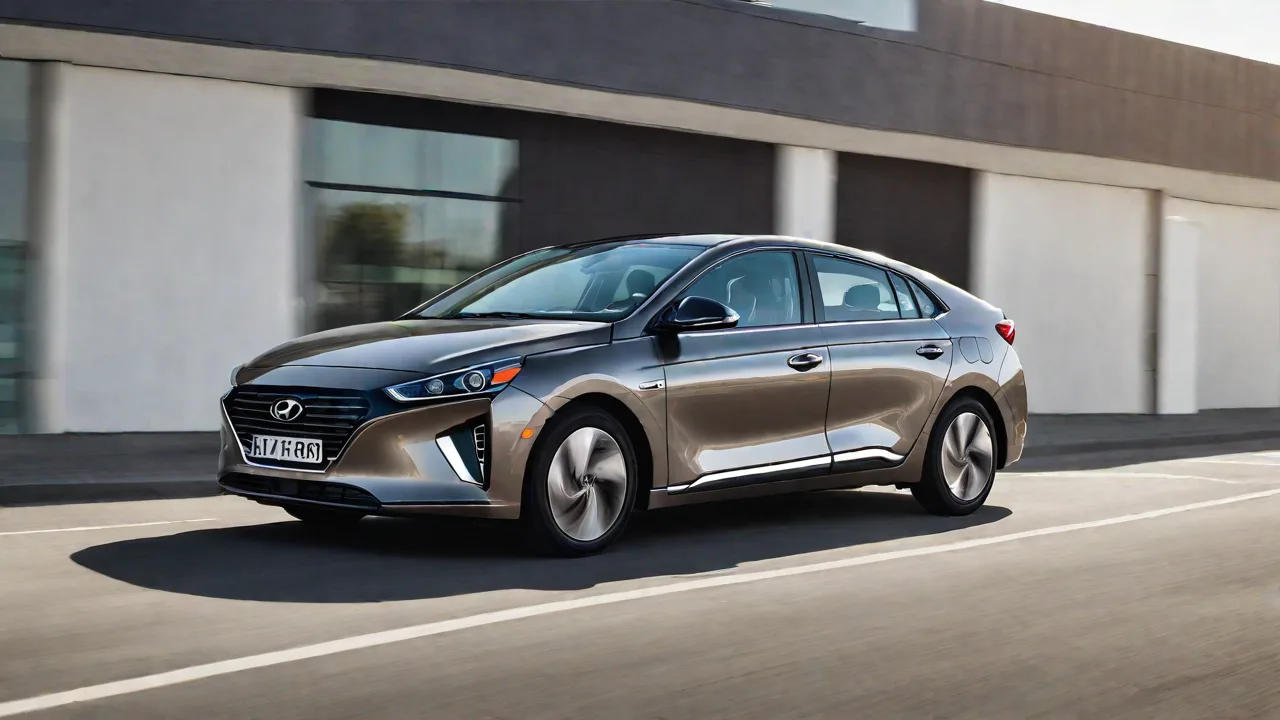
How to Fix Common Battery Issues in the Hyundai Ioniq Electric Sedan
How to Fix Common Battery Issues in the Hyundai Ioniq Electric Sedan
The Hyundai Ioniq Electric Sedan has established itself as a reliable and efficient option in the growing electric vehicle (EV) market. With its impressive range, smooth driving experience, and environmentally friendly profile, the Ioniq serves as a practical daily driver for many. However, like all electric vehicles, the heart of its performance lies in the health and efficiency of its battery pack. Battery-related issues can affect driving range, charging capabilities, and overall vehicle reliability. Understanding common battery problems and how to address them can help you maintain your Hyundai Ioniq’s performance and extend the life of its battery.
Understanding the Battery System in the Hyundai Ioniq Electric
The Hyundai Ioniq Electric utilizes a lithium-ion polymer battery pack, designed to offer a balance between energy density, safety, and longevity. The vehicle’s battery management system (BMS) continuously monitors key parameters such as temperature, voltage, and state of charge to optimize battery performance and durability. Despite these technologies, batteries naturally degrade over time due to chemical aging and usage patterns. Recognizing the signs of battery issues early can save you time, money, and inconvenience.
Common Battery Issues in the Hyundai Ioniq Electric
- Reduced Driving Range: One of the most noticeable symptoms of battery degradation is a decrease in the vehicle’s driving range. Over time, the battery’s capacity diminishes, resulting in fewer miles per charge.
- Slow Charging or Failure to Charge: Charging problems can manifest as slower charging speeds than usual or complete failure to initiate charging. These issues may arise from hardware faults or software glitches.
- Battery Warning Lights: The dashboard may display warning lights or error messages related to the battery, indicating potential faults or system malfunctions.
- Unusual Battery Temperature Readings: The battery’s temperature is crucial for safe and efficient operation. Abnormal temperature readings might point to cooling system failures or environmental stress.
- Battery Capacity Drop After Software Updates: In some cases, new software versions can recalibrate the battery management system, temporarily affecting perceived battery capacity.
Factors Contributing to Battery Issues
Several factors contribute to battery performance degradation and issues in the Hyundai Ioniq Electric:
- Charging Habits: Frequently charging to full capacity (100%) or allowing the battery to discharge completely can accelerate battery wear.
- Environmental Conditions: Extreme temperatures, both hot and cold, adversely affect battery chemistry and longevity.
- Usage Patterns: High mileage, rapid acceleration, and repeated fast charging sessions can stress the battery.
- Software and Firmware: Outdated vehicle software may not optimally manage the battery and charging processes.
Step-by-Step Solutions to Fix Battery Problems
1. Check and Maintain Charging Equipment
Begin by inspecting your charging cable, connector, and vehicle charging port for dirt, debris, corrosion, or physical damage. A dirty or damaged charging interface can interrupt the flow of electricity, causing slow charging or failure to charge. Use a soft cloth to clean connectors and ensure they are dry. When using public charging stations, verify compatibility and functionality before plugging in. If you suspect the charger is faulty, try a different charger or port to isolate the issue.
2. Optimize Charging Habits for Battery Longevity
To extend the battery life, avoid charging the battery to a full 100% regularly unless necessary for long trips. Instead, aim to keep the battery state of charge between 20% and 80% for daily driving needs. This practice reduces battery stress and slows capacity loss. Similarly, avoid letting the battery deplete completely, as deep discharges can harm battery cells. The Ioniq’s onboard system typically prevents complete depletion, but it’s wise to monitor charge levels carefully. Utilizing scheduled charging via the Ioniq’s infotainment system or a smartphone app can help maintain optimal charge windows.
3. Monitor Battery Health and Performance
The Hyundai Ioniq Electric provides onboard diagnostics that allow you to check battery status, including state of health and remaining capacity. You can access these details through the vehicle’s infotainment system or via Hyundai’s connected services app. For a more thorough assessment, schedule periodic battery health checks at a certified Hyundai service center. Technicians can run detailed diagnostic tests to identify cell imbalances, capacity loss, or other issues that may not be apparent during everyday driving. Early detection of battery faults can prevent sudden failures and expensive repairs.
4. Manage Battery Temperature Effectively
Battery performance is highly sensitive to temperature extremes. In hot climates, excessive heat can accelerate battery degradation and trigger thermal management alerts. Conversely, extreme cold can temporarily reduce battery efficiency and range. To mitigate temperature-related issues, park the Ioniq in shaded or temperature-controlled environments whenever possible. If you live in an area with harsh winters, consider using a garage or carport to protect the vehicle. The Ioniq’s thermal management system helps regulate battery temperature during operation, but external environmental control remains beneficial.
5. Keep Vehicle Software and Firmware Up to Date
Hyundai regularly releases software updates that improve battery management algorithms, charging efficiency, and overall vehicle performance. These updates may also fix bugs that cause erroneous battery warnings or charging issues. Ensure your Ioniq’s software is up to date by checking for updates via the infotainment system or through Hyundai’s mobile app. If uncertain, visit a Hyundai dealership or authorized service center to perform update installations. Staying current with software can enhance battery longevity and resolve subtle performance problems.
6. Avoid Frequent Fast Charging When Possible
While DC fast charging is a convenient method to quickly replenish battery charge, excessive use can increase battery wear and heat generation. For daily use, prefer Level 2 (240V) charging at home or work, which provides a slower, gentler charge to the battery. Reserve fast charging for long trips or emergencies to minimize stress on the battery cells. If fast charging is necessary, avoid starting the charging session with a very low state of charge, as this can increase charging heat and strain.
Additional Tips to Extend Battery Life
- Use Regenerative Braking Effectively: The Ioniq Electric features regenerative braking to recover energy during deceleration. Using this feature efficiently reduces reliance on the battery and improves overall range.
- Avoid High-Speed Driving: Sustained high speeds increase battery drain and heat generation. Moderating speed can help maintain battery health and extend driving range.
- Minimize Excessive Weight and Drag: Remove unnecessary cargo and avoid roof racks when not needed to reduce energy consumption and battery load.
- Schedule Regular Maintenance: Follow Hyundai’s recommended maintenance schedule to ensure all vehicle systems, including battery management, are functioning optimally.
When to Seek Professional Assistance
If you have followed all recommended steps and continue to experience battery problems such as persistent warning lights, significant range reduction, or charging failures, it is essential to consult a certified Hyundai technician. Battery diagnostics often require specialized equipment and expertise. Professional service centers can perform detailed inspections, battery cell replacements, or software recalibrations as needed. Attempting to self-repair complex battery issues can void warranties or cause further damage.
Hyundai offers warranties on the Ioniq Electric’s battery pack, typically covering 8 years or 100,000 miles (whichever comes first), providing peace of mind for battery defects or premature capacity loss. If your battery issue falls within warranty terms, authorized service centers will handle repairs or replacements under warranty coverage.
Conclusion
The Hyundai Ioniq Electric Sedan provides an excellent combination of efficiency, technology, and environmental friendliness, with its battery system playing a crucial role in performance. Understanding common battery issues and proactive maintenance can significantly extend the battery’s lifespan while ensuring the vehicle remains dependable. By adopting proper charging habits, managing environmental impacts, keeping software updated, and seeking professional help when necessary, Hyundai Ioniq owners can enjoy years of trouble-free electric driving. Regular care and attention to the battery system not only protect your investment but also contribute to a cleaner, greener future.