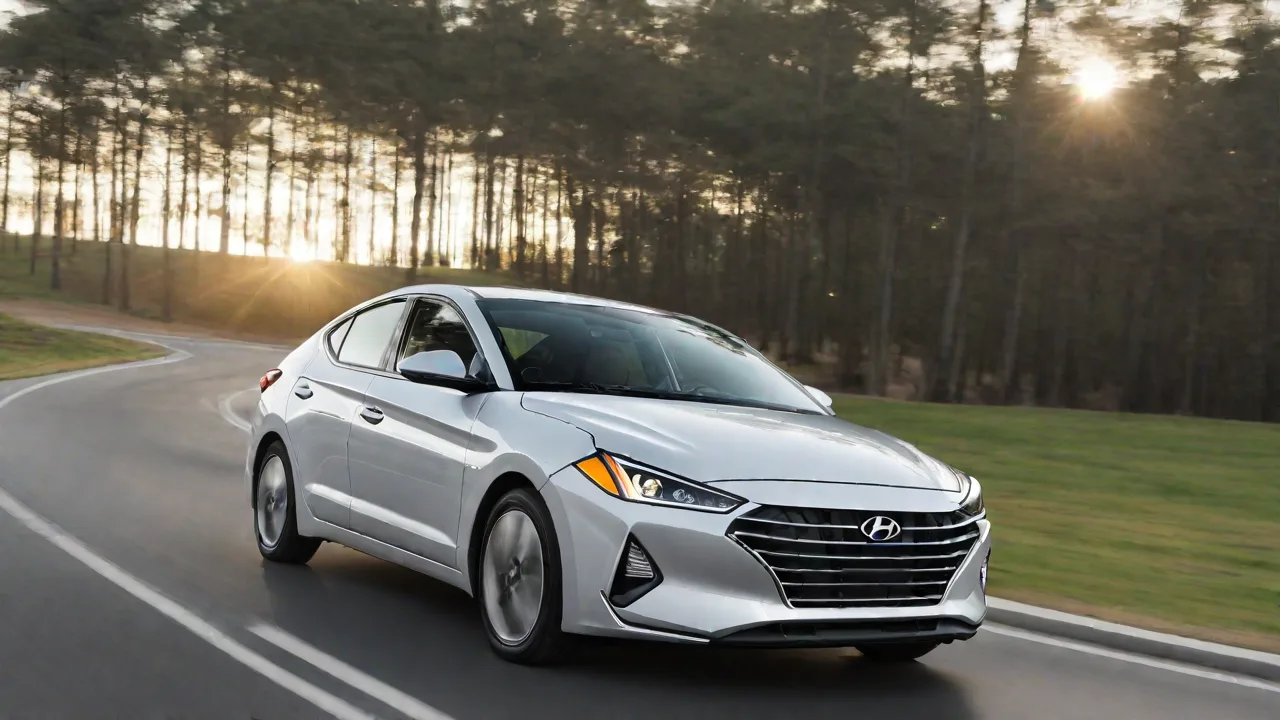
What Everyday Hyundai Owners Need to Know About the Hyundai Elantra’s Lane Keeping Assist
The Hyundai Elantra has earned its reputation as a stylish, fuel-efficient, and technologically advanced compact sedan. Among its suite of modern safety features, the Lane Keeping Assist (LKA) system stands out as a critical driver aid designed to enhance safety and confidence on the road. Whether you’re navigating busy highways or suburban streets, understanding how the Lane Keeping Assist system works, its benefits, limitations, and best practices can help you get the most out of this cutting-edge technology.
Understanding Lane Keeping Assist: The Basics
Lane Keeping Assist is a driver-assistance technology that helps prevent unintended lane departures. It is part of Hyundai’s broader commitment to safety and often integrated alongside other advanced driver assistance systems (ADAS) like Forward Collision Avoidance and Blind-Spot Detection. The Lane Keeping Assist system uses cameras and sensors to monitor the vehicle’s position relative to the lane markings on the road.
Specifically, cameras mounted near the rearview mirror scan the road ahead, detecting lane lines and determining if the vehicle is drifting without the use of turn signals. If the system senses that the Elantra is unintentionally crossing lane boundaries, it can intervene by applying subtle steering torque to guide the vehicle back into its lane. This gentle corrective action helps reduce the risk of side collisions and run-off-road accidents, particularly during extended highway driving or in situations when a driver’s attention may momentarily lapse.
How Lane Keeping Assist Works in Real-World Driving
The Lane Keeping Assist system is designed to be intuitive and minimally intrusive. It continuously monitors the road when activated and intervenes only when necessary. Here’s a step-by-step overview of how it functions during everyday driving:
- Lane Detection: The forward-facing camera captures images of the road surface and identifies painted lane lines, whether solid or dashed.
- Position Monitoring: The system calculates the vehicle’s position within the lane and tracks lateral movement.
- Drift Detection: If the Elantra begins to drift toward the lane edge without the driver signaling a lane change, LKA prepares to assist.
- Steering Assistance: The system gently applies steering input to nudge the vehicle back toward the center of the lane, helping the driver maintain proper lane alignment.
- Alerts and Warnings: If the drift continues or intensifies, the system may trigger audible beeps, dashboard warnings, or haptic feedback such as a vibration in the steering wheel to alert the driver.
This layered approach ensures that Lane Keeping Assist acts as a supportive partner rather than taking over control, encouraging drivers to remain engaged at all times.
Key Features and Benefits of Hyundai Elantra’s Lane Keeping Assist
Hyundai’s Lane Keeping Assist offers several important benefits that contribute to safer and more comfortable driving experiences:
- Enhanced Safety: By reducing unintended lane departures, LKA helps prevent common accidents caused by driver distraction or fatigue.
- Reduced Driver Fatigue: On long highway journeys, the system provides subtle steering support that can ease the physical and mental strain of continuous lane-centering.
- Increased Driver Confidence: Knowing that the vehicle will assist in maintaining lane position can boost driver confidence, especially in heavy traffic or challenging road conditions.
- Seamless Integration: The system works smoothly alongside other driver aids like adaptive cruise control and blind-spot monitoring to create a comprehensive safety net.
- Customizable Settings: Many Hyundai Elantra models allow drivers to adjust the sensitivity of Lane Keeping Assist or disable the feature if desired, providing flexibility for different driving preferences.
Important Limitations to Keep in Mind
While Lane Keeping Assist is a valuable safety tool, it is not infallible. Hyundai emphasizes that this system is a driver aid, not a replacement for attentive driving. Being aware of its limitations ensures safer use and prevents overreliance:
Dependence on Lane Markings
LKA requires clearly visible lane markings to function properly. In conditions where lane lines are obscured, faded, or absent—such as on poorly maintained roads or during road construction—the system may not detect lanes accurately or may deactivate altogether. Similarly, adverse weather conditions like heavy rain, snow, fog, or dirt accumulation on the cameras can impair lane detection.
Limited Functionality on Curves and Complex Roadways
The system performs best on well-marked, straight, or gently curved roads. Sharp curves, complex intersections, or roads with irregular lane configurations can challenge the system’s ability to maintain lane position. In these scenarios, drivers must rely fully on their own attentiveness.
Not Designed for Full Autonomous Operation
Lane Keeping Assist provides steering corrections but does not control acceleration or braking. It cannot replace the need for active driver control and judgment. Drivers must keep their hands on the steering wheel and remain alert at all times, ready to take over full control if necessary.
Potential for False Alerts or Interventions
In some cases, the system may issue warnings or make corrections even when the driver’s lane changes are intentional but not signaled properly. This can be mitigated by using turn signals consistently and understanding the system’s behavior.
Activation and User Controls
Most Hyundai Elantra models come with Lane Keeping Assist activated by default as part of the vehicle’s safety package. However, drivers can customize or disable the feature through the vehicle’s settings menu, accessible via the touchscreen infotainment system or dashboard controls.
- Turning LKA On or Off: Drivers can enable or disable Lane Keeping Assist according to preference. It is recommended to keep it on for maximum safety benefits.
- Adjusting Sensitivity: Some models allow adjustment of the alert sensitivity or steering assistance intensity, tailoring the system response to individual comfort levels.
- Integration with Other Systems: LKA works in conjunction with Lane Departure Warning (LDW), which provides alerts without steering correction, allowing drivers to select the level of intervention desired.
Practical Tips for Everyday Hyundai Elantra Owners
To maximize the benefits of Lane Keeping Assist and maintain safe driving habits, consider these practical recommendations:
- Keep Hands on the Wheel: Even with LKA active, maintain firm control of the steering wheel and avoid distractions.
- Use Turn Signals: Always signal when changing lanes to prevent unintended system interventions and to communicate intentions to other drivers.
- Monitor System Alerts: Pay attention to audible and visual warnings; they indicate when driver input is needed.
- Maintain Cameras and Sensors: Keep the windshield area around cameras clean and free of obstructions to ensure accurate lane detection.
- Understand When It May Not Work: Anticipate system limitations during poor weather, unclear road markings, or complex driving environments.
- Regularly Check for Software Updates: Hyundai periodically releases updates that can improve system performance, so consult your dealership or owner’s manual for information on keeping your vehicle’s software current.
Which Hyundai Elantra Models Feature Lane Keeping Assist?
Lane Keeping Assist is available on most recent Hyundai Elantra trims, often included as standard or part of higher-level safety packages. For example, trims like the SEL, Limited, and N Line usually incorporate LKA along with other advanced safety technologies. However, availability can vary by model year and region.
To confirm whether your specific Elantra model is equipped with Lane Keeping Assist, consult your owner’s manual, check the vehicle’s specifications on Hyundai’s official website, or speak with your dealership. Knowing your vehicle’s features ensures you can take full advantage of the safety systems installed.
Comparing Lane Keeping Assist in the Elantra to Competitors
In the compact sedan segment, many manufacturers offer lane keeping technologies, but Hyundai’s system in the Elantra is often praised for its smooth operation, intuitive alerts, and integration with other safety features. Compared to competitors, Hyundai tends to provide this technology at a competitive price point, making advanced safety accessible to everyday drivers.
Additionally, the Elantra’s Lane Keeping Assist is part of a comprehensive safety suite called Hyundai SmartSense, which includes features like:
- Forward Collision-Avoidance Assist
- Blind-Spot Collision Warning
- Rear Cross-Traffic Collision Warning
- Driver Attention Warning
This holistic approach to safety helps the Elantra stand out in its class, providing peace of mind during daily commutes and road trips alike.
Future of Lane Keeping Assist and Hyundai’s Safety Innovations
As automotive technology continues to advance rapidly, systems like Lane Keeping Assist are evolving toward more sophisticated driver assistance and semi-autonomous capabilities. Hyundai is investing heavily in research and development to enhance these systems with improved sensor fusion, AI-based decision-making, and integration with vehicle-to-everything (V2X) communication technologies.
Future models of the Elantra and other Hyundai vehicles are expected to feature more refined lane-centering assistance, combined with adaptive cruise control and automated highway driving features. These advances aim to further reduce driver workload and increase road safety, while still emphasizing the importance of driver engagement and responsibility.
Conclusion: Embracing Lane Keeping Assist for Safer Driving
For everyday Hyundai Elantra owners, Lane Keeping Assist represents a valuable safety enhancement that can help prevent accidents caused by unintentional lane departures. By understanding how it works, recognizing its limitations, and using it as a supplement to attentive driving, owners can enjoy a more relaxed and secure driving experience.
Remember, Lane Keeping Assist is a powerful tool when combined with good driving habits. Keep your hands on the wheel, stay alert, and maintain your vehicle’s sensors and cameras to ensure optimal performance. With these practices, the Hyundai Elantra’s Lane Keeping Assist can be a trusted partner on every journey.
For more detailed information about the Lane Keeping Assist system and other safety features in your Hyundai Elantra, consult your vehicle’s owner’s manual or visit Hyundai’s official website. Additionally, regular maintenance and software updates at your authorized Hyundai service center will help keep your safety systems operating at peak efficiency.