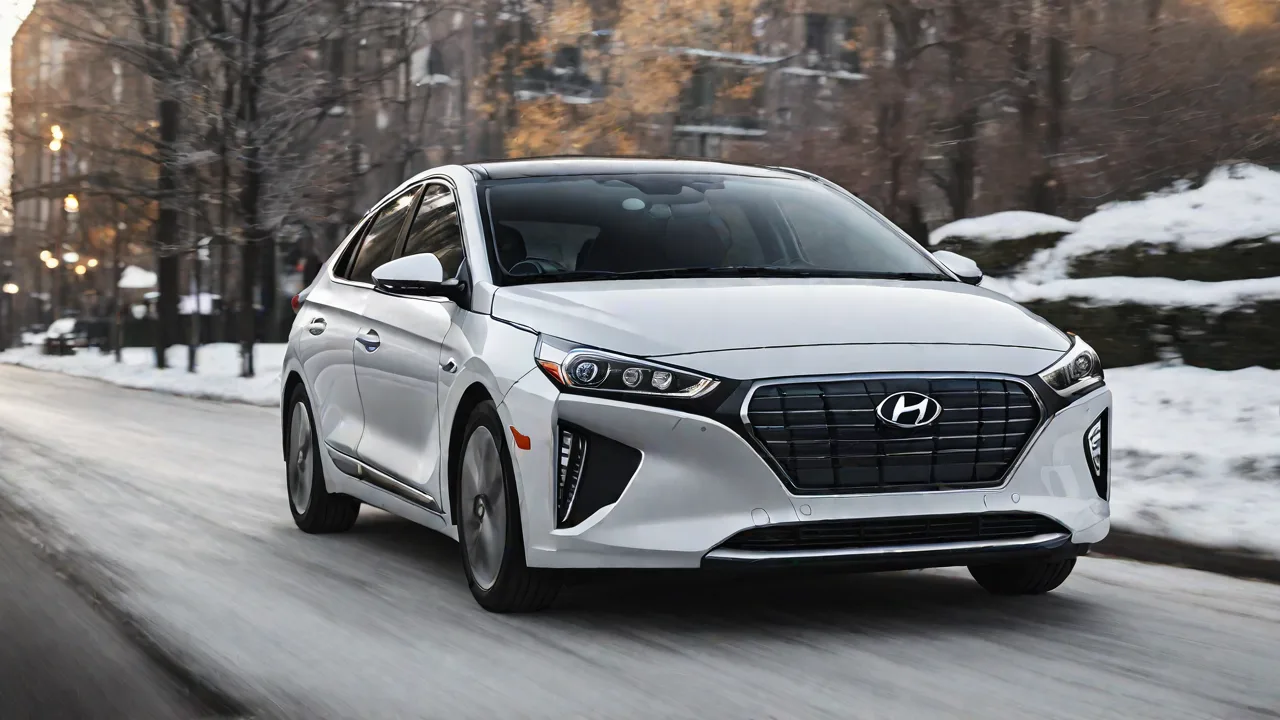
How to Prepare Your Hyundai Ioniq for Winter Driving Conditions
Preparing your Hyundai Ioniq for winter driving conditions is crucial to ensure your safety, maintain optimal vehicle performance, and avoid unexpected issues during the colder months. Winter presents a unique set of challenges such as icy and snow-covered roads, reduced daylight hours, freezing temperatures, and the potential for road salt and grime buildup—all of which can negatively impact your car’s reliability and your driving experience. Taking proactive steps to winterize your Hyundai Ioniq will help you navigate these conditions with confidence and peace of mind.
Comprehensive Guide to Winterizing Your Hyundai Ioniq
1. Assess and Upgrade Your Tires for Winter Traction
Tires are the only point of contact between your vehicle and the road, making them the most critical component for winter safety. The Hyundai Ioniq’s standard tires are designed for all-season use, but they may not provide optimal traction on snow or ice.
- Check Tread Depth: The minimum safe tread depth is generally 2/32 of an inch, but for winter driving, deeper tread (4/32 or more) is recommended to improve grip on slippery surfaces.
- Switch to Winter Tires: Consider investing in a dedicated set of winter tires, which use specialized rubber compounds that remain flexible in cold temperatures and have tread patterns designed to channel snow and slush away. Popular winter tires for the Ioniq include models from Michelin, Bridgestone Blizzak, and Nokian.
- Maintain Proper Tire Pressure: Cold weather causes tire pressure to drop, which can reduce fuel efficiency and handling. Check your tire pressure regularly, including the spare, and inflate them to the manufacturer’s recommended levels found in your owner’s manual or on the driver’s door jamb.
2. Optimize Your Hyundai Ioniq’s Battery Performance
Battery capacity decreases in cold temperatures, sometimes by as much as 50%. A weak battery can leave you stranded on a cold day, so it’s important to ensure your battery is in good condition before winter sets in.
- Battery Testing: Have your battery tested at a local service center for its cold cranking amps (CCA), which measures its ability to start your car in cold weather. Batteries older than three years are more prone to failure.
- Battery Replacement: If your battery is weak or showing signs of wear, replace it proactively. Opt for a battery with a high CCA rating suitable for your climate zone.
- Battery Maintenance Tips: Keep battery terminals clean and free of corrosion. If your Hyundai Ioniq is parked outside during winter, consider using a battery maintainer or trickle charger to keep the charge topped off.
3. Maintain and Replenish Essential Fluids
Fluids in your vehicle perform differently in freezing temperatures. Properly maintaining and using winter-grade fluids will ensure your Hyundai Ioniq runs smoothly and avoids damage.
- Windshield Washer Fluid: Replace summer washer fluid with a winter-grade, antifreeze formula that won’t freeze on your windshield. This helps maintain clear visibility by effectively removing snow, ice, and road salt.
- Engine Coolant/Antifreeze: Check your coolant level and mixture ratio. A 50/50 mix of antifreeze and distilled water is usually recommended to protect your engine from freezing and overheating. Use the type specified in your owner’s manual.
- Brake Fluid and Power Steering Fluid: Ensure these fluids are at the correct levels and in good condition. Cold temperatures can affect fluid viscosity, so regular checks are important.
- Oil Change Considerations: Consider switching to a winter-grade synthetic oil if recommended in your owner’s manual. Synthetic oils flow better at low temperatures, providing improved lubrication during cold starts.
4. Inspect and Replace Wiper Blades and Lights
Visibility is one of the biggest challenges during winter, especially when driving through snow, sleet, or fog. Properly functioning wipers and lights are essential for safe driving.
- Wiper Blade Replacement: Old or worn wiper blades can leave streaks or miss patches of your windshield. Replace them with winter-specific blades designed to resist ice buildup and maintain flexibility in freezing temperatures.
- Check Windshield and Rear Window Defrosters: Test your vehicle’s heating elements to ensure they effectively clear frost and ice.
- Lighting Check: Inspect all exterior lights including headlights, brake lights, turn signals, and fog lights. Replace any burnt-out bulbs and clean lenses to maximize brightness and visibility.
- Adjust Headlight Aim: If your headlights appear misaligned, have them adjusted to avoid glare for other drivers and ensure the best illumination of the road ahead.
5. Prepare an Emergency Winter Survival Kit
Even with the best preparation, winter conditions can be unpredictable. Keeping a well-stocked emergency kit in your Hyundai Ioniq can be a lifesaver if you become stranded or delayed.
- Basic Supplies: Include a warm blanket, extra gloves and hats, flashlight with fresh batteries, ice scraper and snow brush, jumper cables, and a multi-tool or pocket knife.
- Food and Water: Pack non-perishable snacks such as granola bars, nuts, and dried fruit, along with bottled water.
- Safety Items: Carry road flares or reflective triangles to alert other drivers if you are stopped on the roadside. A small first aid kit is also highly recommended.
- Traction Aids: Consider keeping a small bag of sand, cat litter, or traction mats in your trunk to help if your wheels get stuck on ice or snow.
- Portable Phone Charger: A fully charged power bank can help keep your mobile device operational in emergencies.
Additional Winter Driving Tips for Hyundai Ioniq Owners
1. Adjust Your Driving Habits
Winter driving requires more caution and anticipation. Your Hyundai Ioniq’s advanced safety features, such as Electronic Stability Control (ESC) and Anti-lock Braking System (ABS), provide added control, but they cannot defy physics. Modify your driving habits to accommodate winter challenges:
- Reduce Speed: Lower your speed to improve control and increase stopping distance on slick surfaces.
- Increase Following Distance: Allow at least three to four seconds of space between your vehicle and the one ahead to provide ample braking time.
- Smooth Maneuvers: Avoid sudden acceleration, braking, or sharp turns that can cause skidding.
- Use Low Beams in Snow or Fog: High beams can reflect off snowflakes or fog, reducing visibility.
- Know How to Handle Skids: If your Ioniq starts to skid, steer gently in the direction you want to go and avoid slamming on the brakes.
2. Keep Your Hyundai Ioniq Clean and Protected
Road salt and grime can accelerate corrosion and damage your vehicle’s paint and undercarriage. Regular cleaning is vital during winter:
- Wash Your Car Frequently: Pay extra attention to the wheel wells, undercarriage, and lower body panels.
- Wax Your Vehicle Before Winter: A good wax coat helps protect the paint from salt and moisture.
- Inspect for Rust: Check your Ioniq periodically for signs of rust and address any spots promptly.
3. Utilize Your Hyundai Ioniq’s Features for Winter Comfort and Safety
The Hyundai Ioniq comes equipped with features designed to improve winter driving comfort and safety:
- Heated Seats and Steering Wheel: Use these features to stay warm and maintain focus on the road.
- Climate Control Settings: Use the defrost and air conditioning settings strategically to reduce interior fogging.
- Regenerative Braking: In hybrid and electric variants, regenerative braking helps maintain better control on downhill slopes.
- Driver Assistance Systems: Features like Lane Keeping Assist, Forward Collision-Avoidance Assist, and Blind-Spot Collision Warning aid in identifying hazards in challenging conditions.
Preparing for Long Winter Trips in Your Hyundai Ioniq
If you plan to travel long distances during winter, additional preparation is essential:
- Plan Your Route: Check weather forecasts and road conditions in advance. Avoid routes known for hazardous winter conditions when possible.
- Inform Someone of Your Travel Plans: Let friends or family know your expected route and arrival time.
- Keep Your Fuel Tank at Least Half Full: This prevents fuel line freeze-up and ensures you have enough fuel in case of delays.
- Charge Your Hyundai Ioniq’s Battery: For plug-in hybrid or electric versions, ensure your battery is fully charged before departure and identify charging stations along your route.
- Bring Extra Warm Clothing: In case you get stuck or delayed, having spare warm clothes can be critical.
Summary
Winter driving can be demanding, but with thorough preparation, your Hyundai Ioniq can handle icy roads, freezing temperatures, and reduced visibility with greater confidence and safety. From upgrading your tires and maintaining fluids to adjusting driving habits and equipping your vehicle with an emergency kit, each step contributes to a safer winter driving experience. Taking advantage of your Ioniq’s modern technology and comfort features further enhances your ability to stay warm, alert, and in control throughout the season.
By following this comprehensive winterization guide, you can enjoy peace of mind and ensure that your Hyundai Ioniq remains a reliable and comfortable companion through the coldest months of the year.